Top search terms
Home
/
High Voltage DC Relays Contactors Ceramic, 600A 1000Vdc High Voltage DC Relay Contactors, ESS, EV Charging, EV/HEV, PV/Solar Power, Wind Power, UL Listed
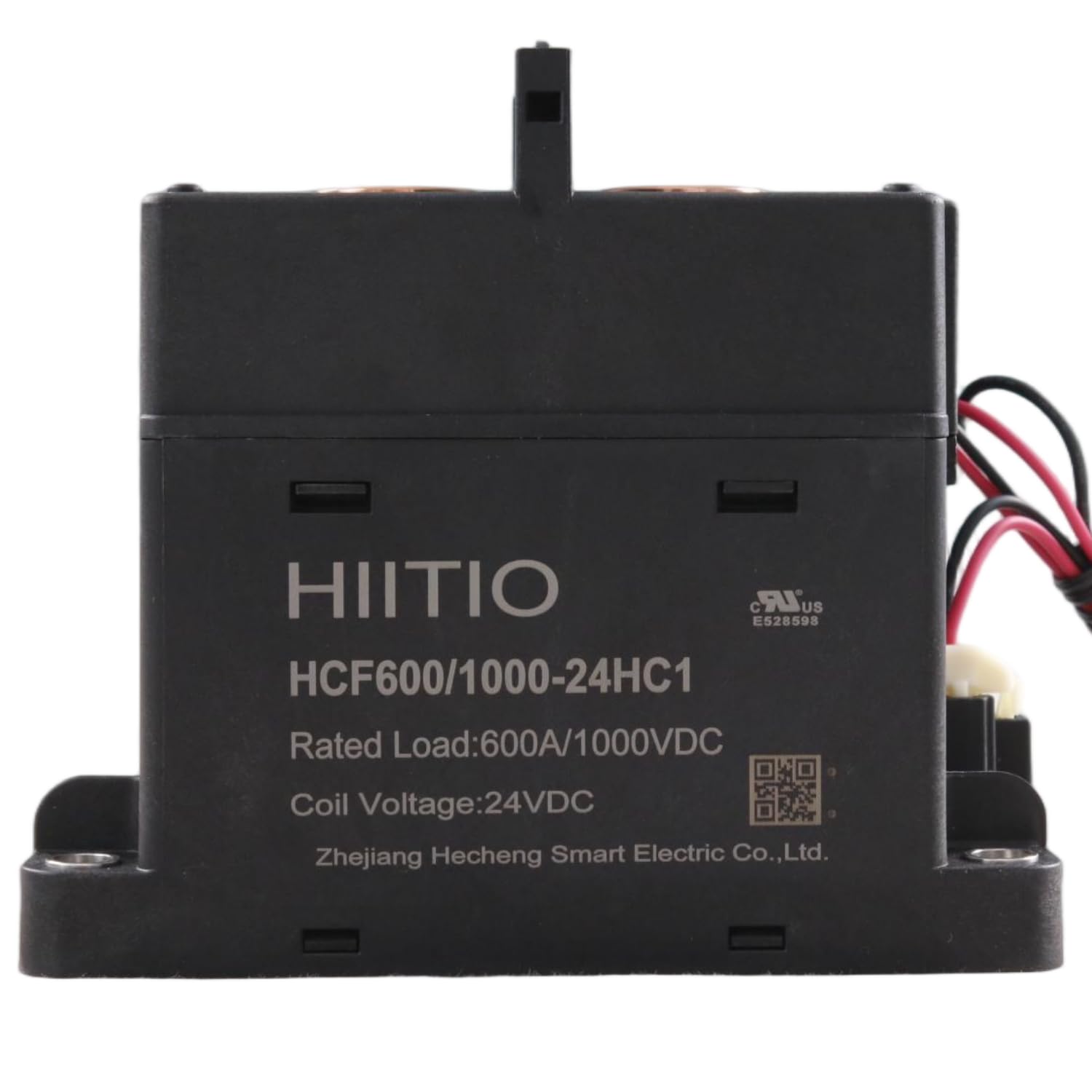

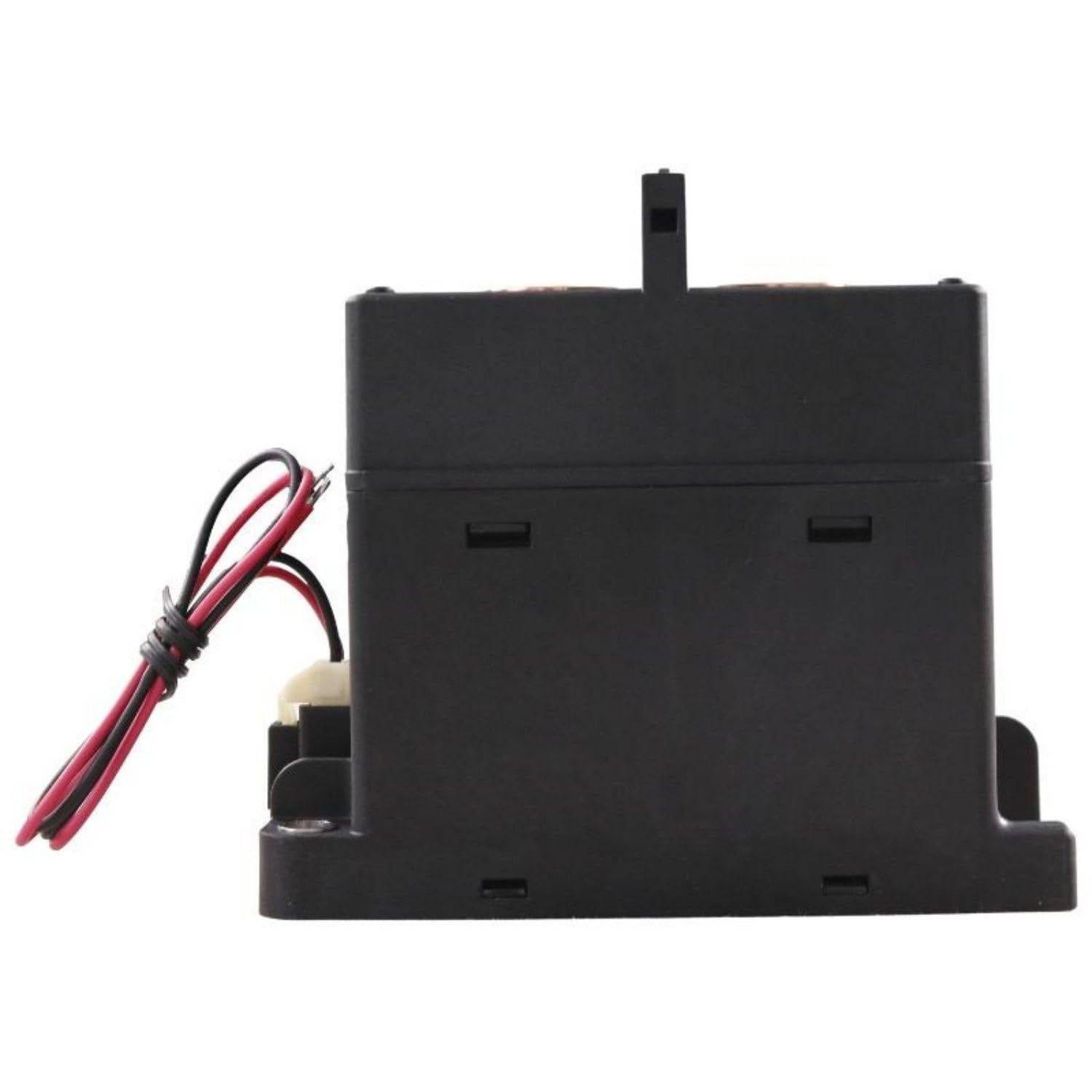
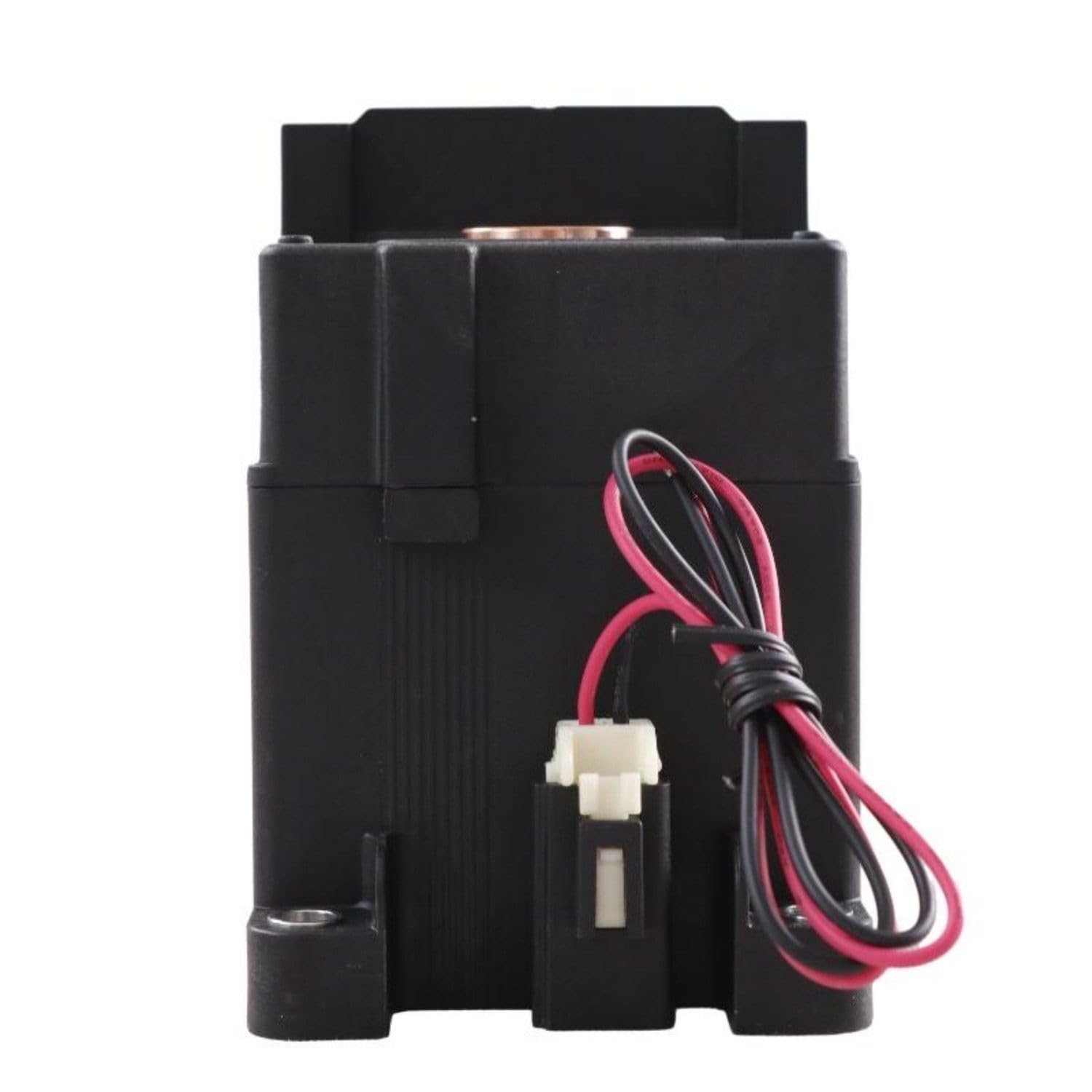
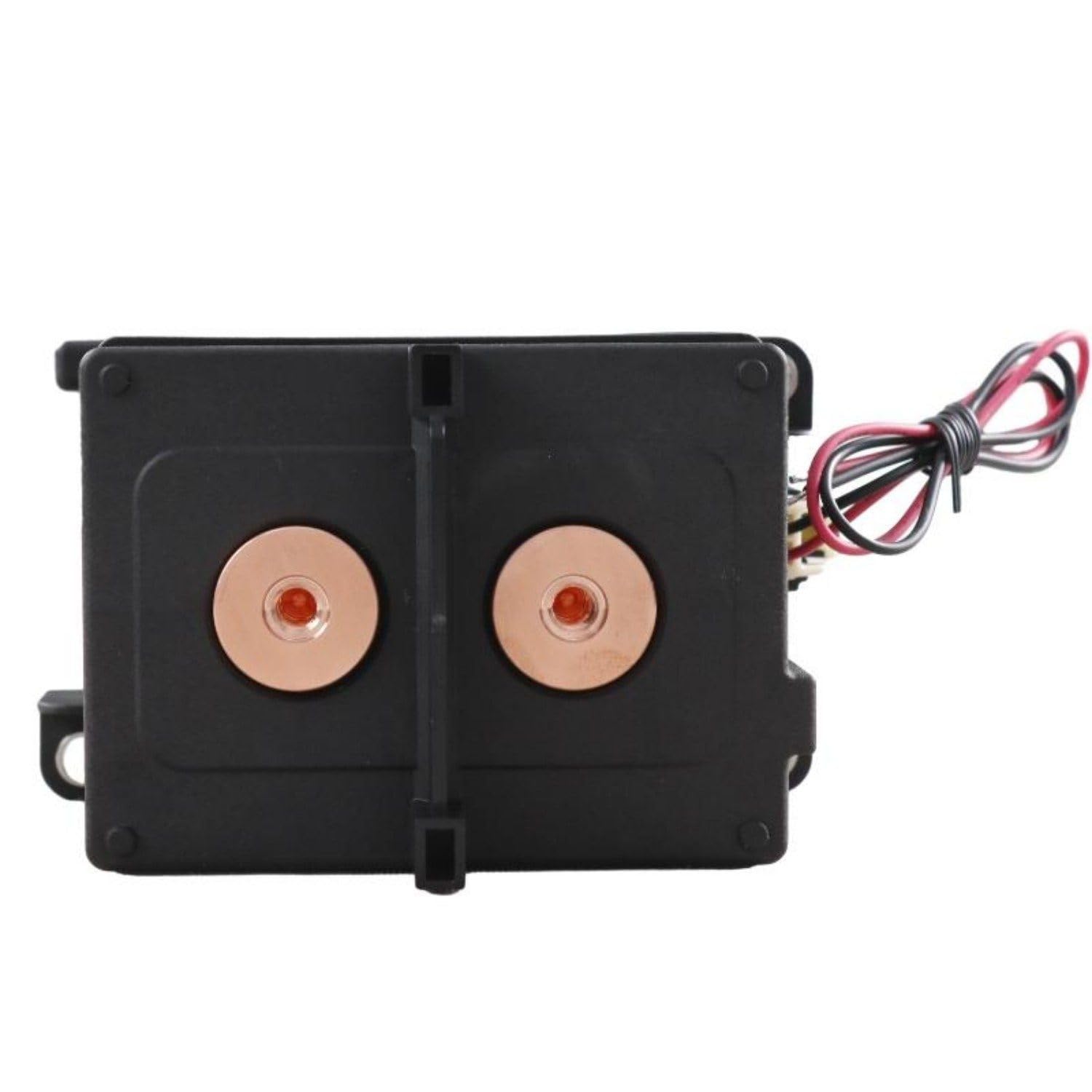
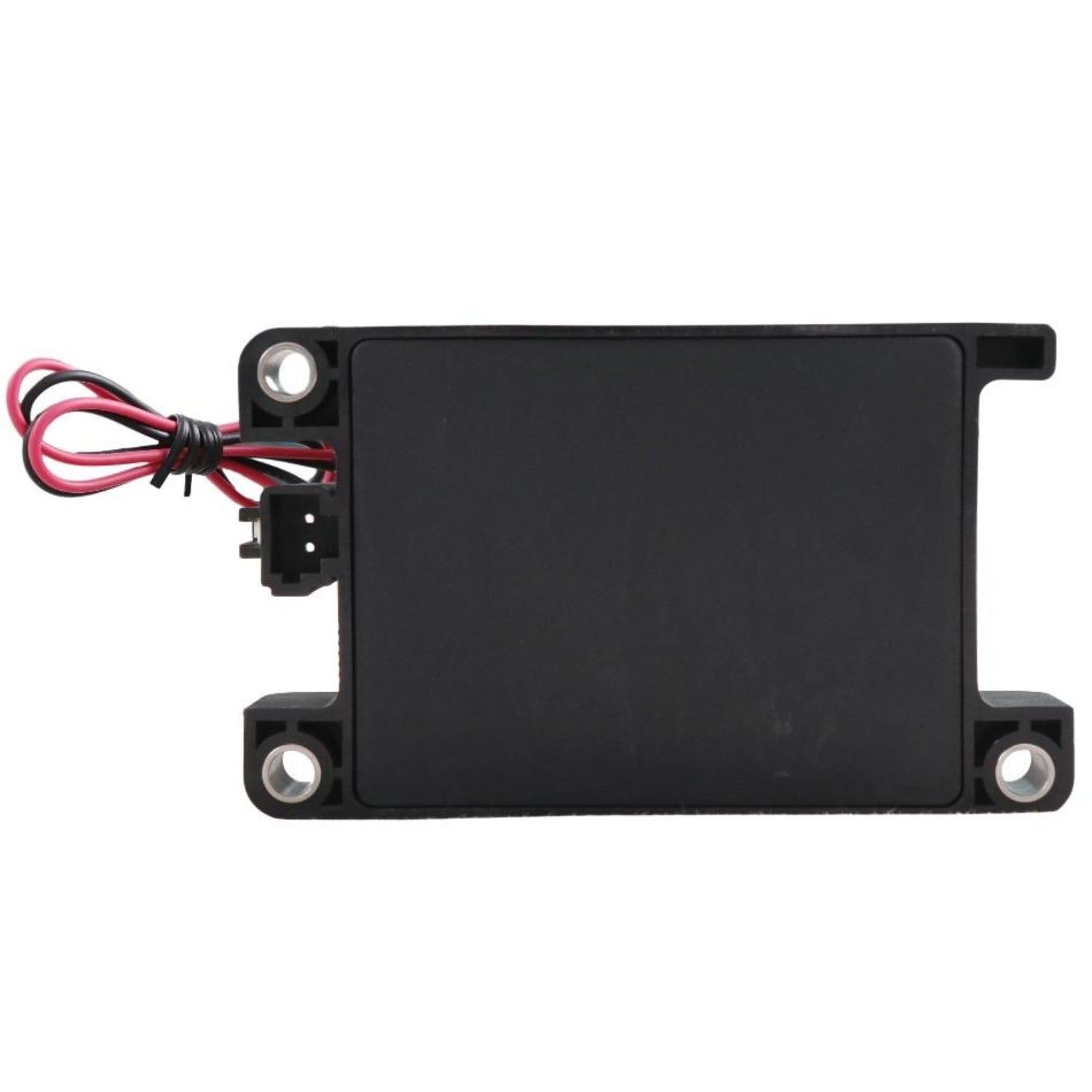
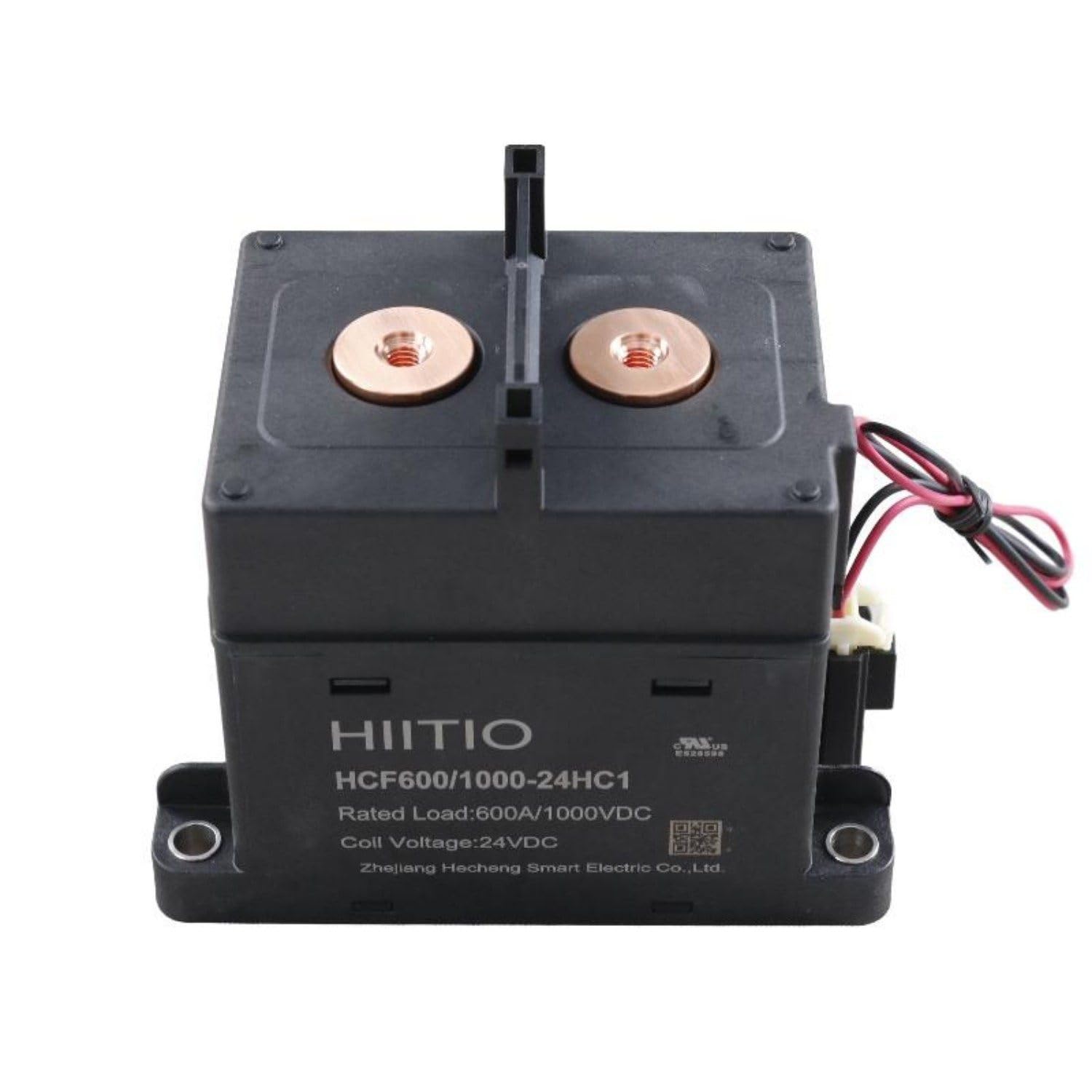
High Voltage DC Relays Contactors Ceramic, 600A 1000Vdc High Voltage DC Relay Contactors, ESS, EV Charging, EV/HEV, PV/Solar Power, Wind Power, UL Listed
【Antioxidant】Ceramic seal structure, filled in H2 mixed gas, resist contacts oxidation, the contact resistance is low and stable
【Surety】Ceramic seal structure with magnetic blow-out technology, realize zero arcs, ensure safety and reliability when you using
【Heat-resistant】Carrying current 60
【Surety】Ceramic seal structure with magnetic blow-out technology, realize zero arcs, ensure safety and reliability when you using
【Heat-resistant】Carrying current 60
Quantity
-
Detail
- REACH
- RoHS
- UL 60947-4
- CCC/CE/CB/S Mark
- Ceramic seal structure with magnetic blow-out technology, realize zero arcs, ensure safety and reliability when you using
And I would like to confirm the purpose of “Auxiliary Contact”? In order to monitor if main contact is open or close?
Main contact and auxiliary contact work synchronously;
Auxiliary contact serves as the role of signal transmission, ie.the status of auxiliary contact would reflect whether main contact is open or close.
May I ask, for the coil section with a rated operating power of 6W, is all of this 6W converted into heat?
The coil section generates a heat dissipation of 6W when continuously energised.
Is it sufficient to ensure that the operating temperature of the plastic components does not exceed 130°C?
The temperature of the plastic components may not exceed 130°C, while the low-voltage coil section must not exceed 160°C.
What material is used for the internal copper components?
Oxygen-free copper
Approvals/Standard:
And I would like to confirm the purpose of “Auxiliary Contact”? In order to monitor if main contact is open or close?
May I ask, for the coil section with a rated operating power of 6W, is all of this 6W converted into heat?
Is it sufficient to ensure that the operating temperature of the plastic components does not exceed 130°C?
What material is used for the internal copper components?
-
Customer ReviewsNo comments